Mobile App Development
The agency
Mobile App Development Company Built for Speed and Ownership
A custom mobile application earns its place in more parts of a business than most teams expect. Enterprise mobile apps, internal tools that streamline the way your team already works, and customer facing products people use every day all start from the same place: software shaped around how your business actually runs, instead of bent to fit a product someone else designed. As an app development agency, we build across all of it.
- Designed for you: From the technology stack to the UX workflows, every decision in your custom mobile application development is made for your needs specifically.
- You own it: The code and IP are yours outright, and it stays a living asset: change it whenever the business needs it to change, without asking anyone's permission.
- Built with modern technology and design: We build on current methodologies and a modern stack, so your app gets the feel it deserves rather than looking like it shipped five years ago.
- Scales with you: A backend architected to scale the moment you need it to, without paying for capacity that sits idle until you do.
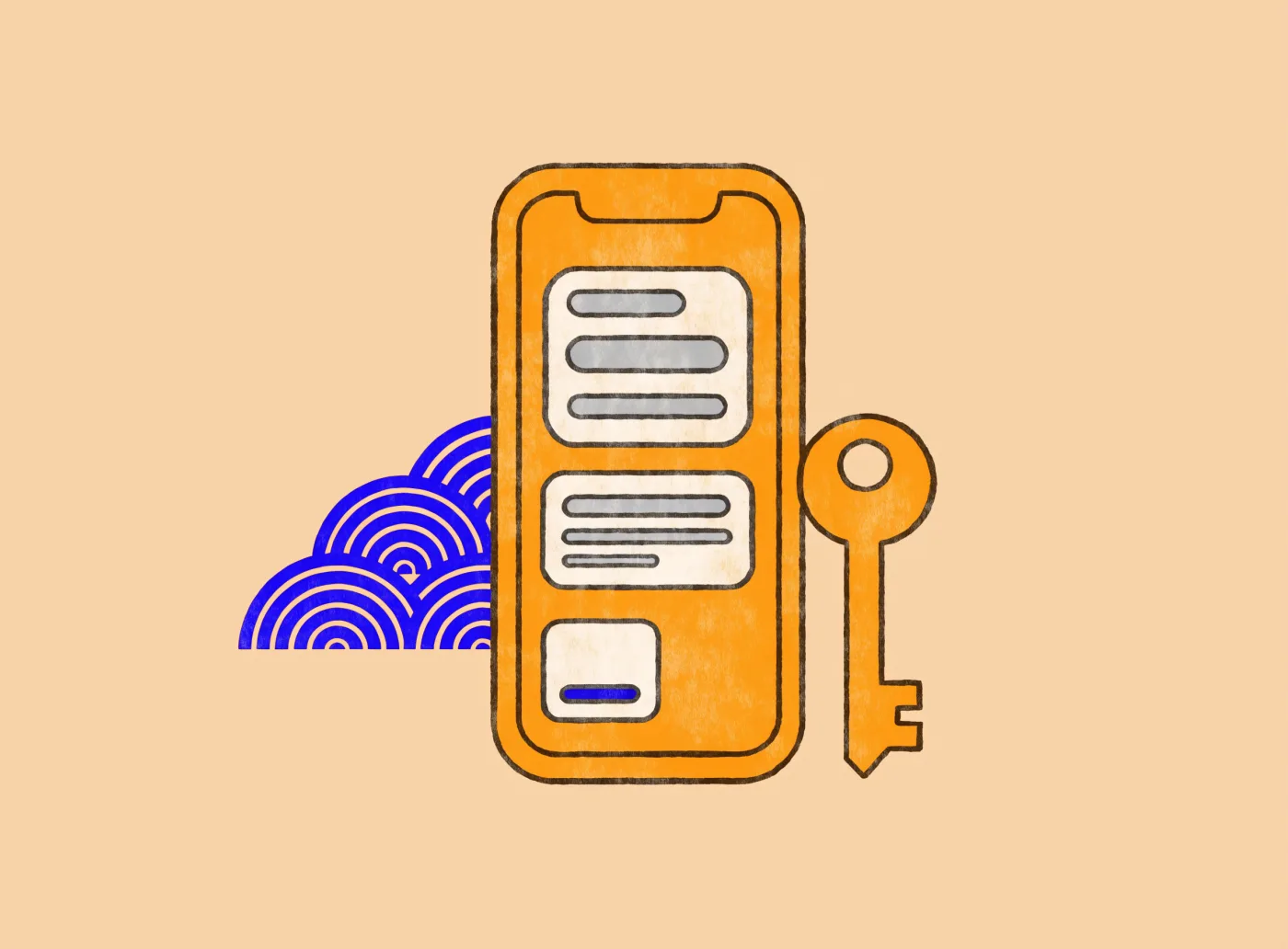
What we build
Mobile App Creation Services, From First MVP to Full Custom Build
No two clients arrive at the same starting point, so our mobile app creation services are built to meet them at either end. Some know exactly what they are building. The need is already validated, or the app serves an internal process, or a client has asked for it directly. That work begins with decisions rather than discovery.
For those teams, the early conversations are about which technology stack actually fits the business, and whether the product should be a native iOS or native Android build, or a single cross platform app serving both stores. We make that call with you and explain the tradeoffs, rather than defaulting to whatever we happened to build last.
Other clients are still validating. The idea is real, the demand is not yet proven, and committing a full custom mobile application development budget before the market has answered is the wrong order to do things in. For those teams we often start with a progressive web app: quick to ship, inexpensive to change, and enough to put something real in front of users.
We build that first version knowing where it is headed. The architecture assumes a phone app is coming, so when the validation lands, moving to a full custom build is a planned next step instead of a rewrite. If you are at the very beginning of that path, our MVP development work covers it, and anything that grows past the app itself becomes custom software.
Platforms
Native and Cross Platform App Development Services for iOS and Android
There is a reason both native and cross platform development exist, and the choice comes down to what your app needs from the device it runs on. When the product depends on deep access to the phone itself, its sensors, camera, and background processing, native app development services give you that access without compromise.
When those capabilities are not required, unifying into a single cross platform codebase gets you onto both stores for less, and keeps every future change in one place.
iOS App Development
Swift and SwiftUI, with full access to Apple frameworks for sensors, camera, and background work.
Android App Development
Kotlin and Jetpack Compose, with unrestricted hardware access across a wide range of devices.
Cross Platform App Development
One Flutter or React Native codebase shipping to both stores, with changes landing in one place.
Industries
Ecommerce, On Demand, IoT: Apps for Every Kind of Business
We build across industries, and the shape of the app changes with every one of them.
Ecommerce Apps
On Demand Apps
IoT and Connected Device Apps
Progressive Web Apps
Game and Interactive Apps
Our stack
The Technology Behind Our Mobile App Development
We pick the stack per project rather than pushing every client through the same toolset. What your app has to do decides it: which platforms it ships to, what it has to integrate with, how much it leans on device hardware, and what your team can maintain after we hand it over. Below is what we work in, not a list of what you are getting.
Mobile
- Swift

- Kotlin

- React Native + Expo

- Flutter

Back-End & APIs
- Node.js

- Deno

- Python
- Kotlin

- .NET

Databases
- Supabase

- MySQL

- MongoDB

- DynamoDB
Cloud & Infrastructure
- Amazon AWS

- Google GCP

- Microsoft Azure

UX and UI design
Mobile App Design That Earns Its Place on the Home Screen
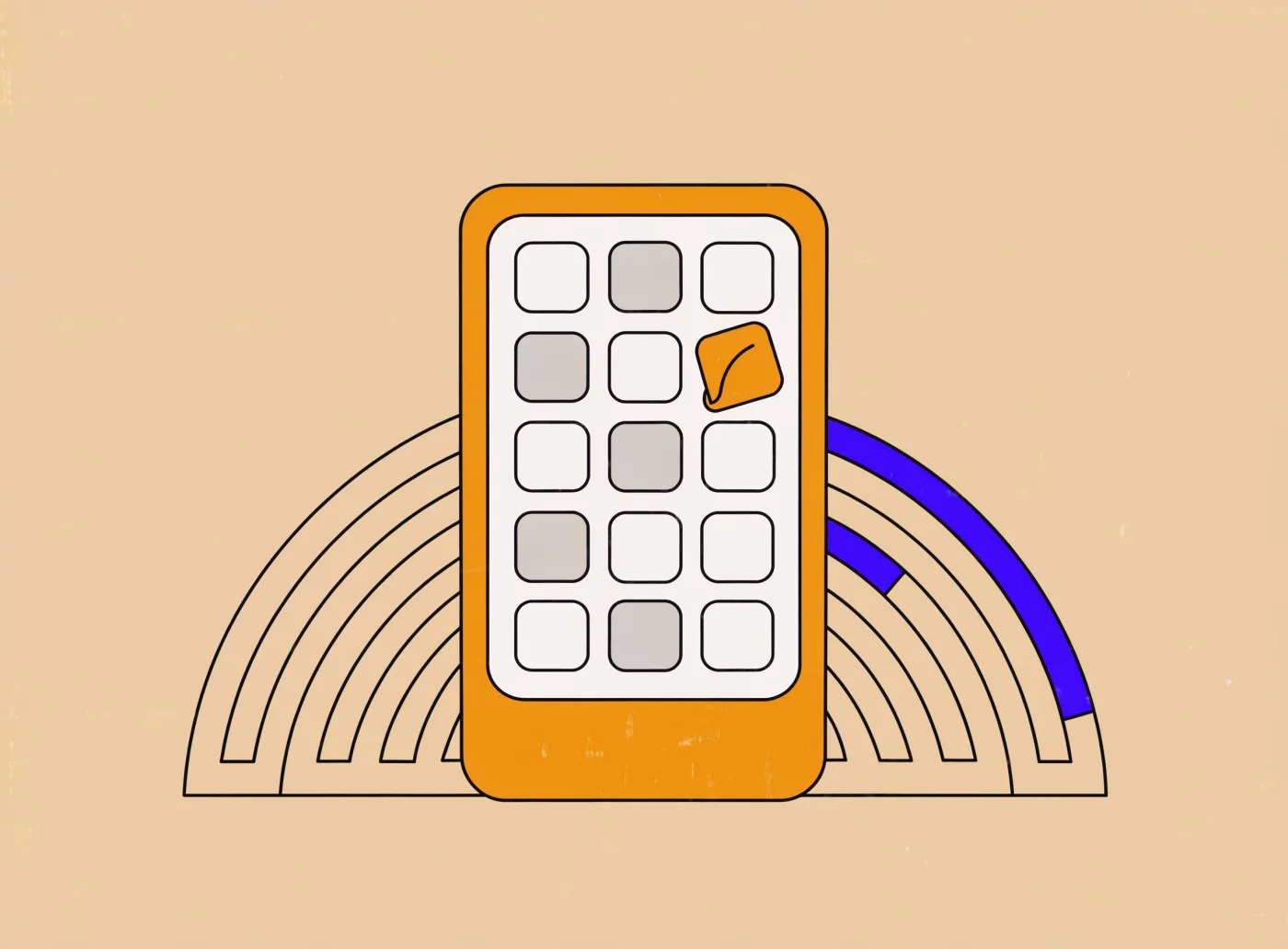
Design carries more weight on mobile than it does anywhere else. You are working with a fraction of the screen real estate a desktop gives you, on a device people use in a hurry, often one handed, usually with something else competing for their attention. Every element on the screen has to earn the space it takes up.
That is why we bring in seasoned UX and UI professionals instead of leaving layout decisions to developers. They map how people will actually move through the product, then design the flows so the path from opening the app to finishing the task is seamless. As a mobile application design company, we treat that work as part of the build rather than a coat of paint applied at the end.
The payoff shows up in the numbers. Good mobile app design services mean fewer abandoned sessions, better reviews, and store screenshots that sell the product before anyone installs it.
Our process
From Idea to App Store: How We Build Mobile Apps
Every project moves through the same four stages, from the first conversation about the concept through to launch and the support that follows it.
Discovery
We sit down with you to understand the core need before anything gets designed. That conversation decides the path: whether a full custom mobile app development build is right or an MVP should come first, and which technology stack actually fits what you are trying to do.
Design
We bring in professional UI and UX designers to map the entire user journey, from the first open to the finished task. Feedback loops at this stage are unlimited, so the app is settled on screen before a line of it is settled in code.
Build
We build the app from start to finish with iterative demos scheduled around your calendar. Your feedback goes in at every step, so you are seeing working software the whole way through instead of waiting for a reveal at the end.
Launch & Support
We build the landing page, submit to the App Store and Google Play, and get the app live in both stores. From there we stay by your side, handling support, updates, and whatever the app needs after launch.
Who we build for
From Startup MVPs to Enterprise Mobile Apps
What the right build looks like changes with who is asking for it, so we tailor the engagement to the company instead of running everyone through the same template.
Startups need something real in front of users quickly. Speed is the point at that stage: ship the app, watch how people actually use it, and iterate while there is still room to change direction. That first version is also what the go to market strategy gets built around, which is why mobile app development for startups usually starts with an MVP rather than a finished product.
Enterprise clients are solving a different problem. The app has to be compliance ready, integrate with systems that were in place long before this project started, and hold up to the regulations the business already operates under. That work moves more deliberately, and it should.
Earliest stage? Start with an MVP. Working inside a larger organization? See our enterprise mobile app development services.
Proof
Why Clients Rank Us Among the Best Mobile App Development Companies
Mobile app case studies are being written up
We are writing up the apps we have shipped to the App Store and Google Play: what the client needed, how we built it, and how it performed after launch. Those stories land here soon. Until then we can walk you through comparable builds on a call and connect you with the clients directly.
Mobile App Development FAQs
Tell Us About the App You Want to Build
Whether it is a first version to put in front of users or a full custom build, we will scope it with you: the platforms, the timeline, and what it costs. You own the code either way.